 Curated by 2nd home
  14 Days Return
  Available immediately
-
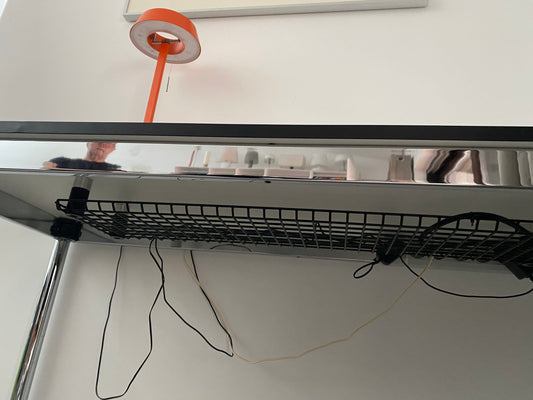
USM Desk 150cm x 75cm in Pearl Grey
Vendor:USM HallerRegular price 570,00 €Regular priceUnit price per0,00 €Sale price 570,00 € -
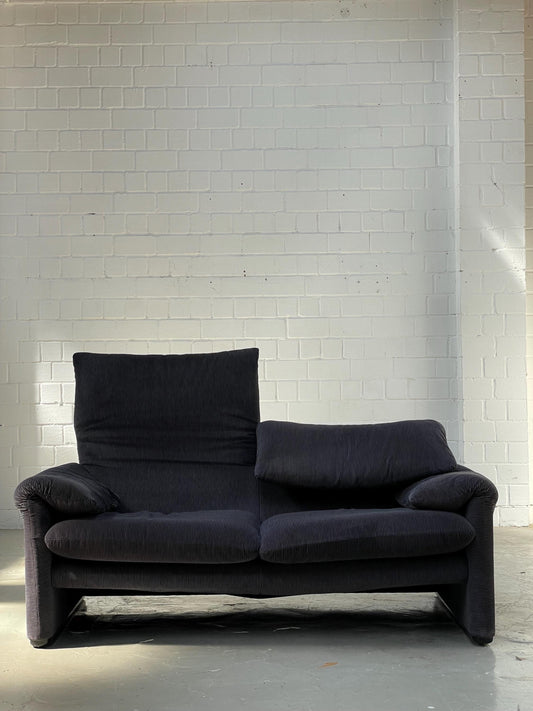
Vintage Maralunga sofa by Vico Magistretti for Cassina, striped black and anthracite
Vendor:CassinaRegular price 2.350,00 €Regular priceUnit price per -
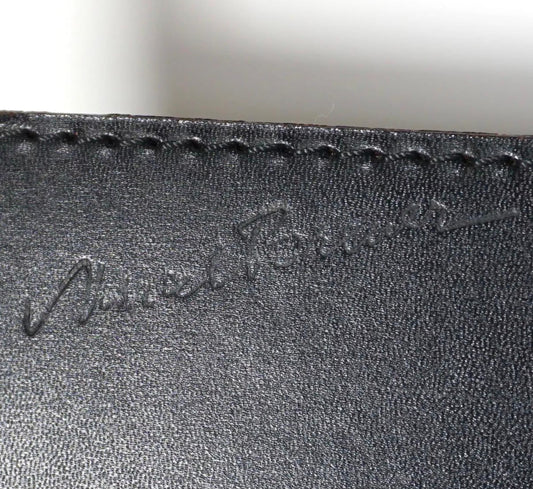
Vintage "Wassily" Armchair by Marcel Breuer for Gavina
Vendor:Gavina KnollRegular price 1.799,00 €Regular priceUnit price per -
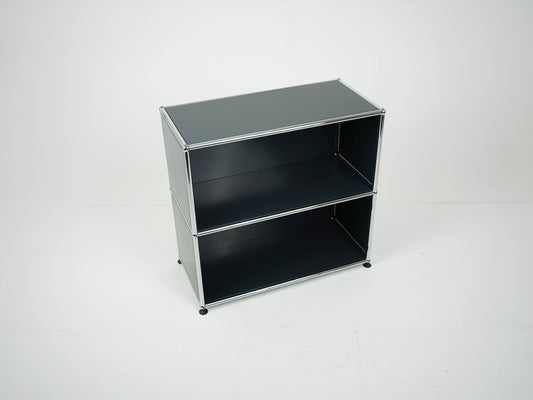
USM Haller shelf anthracite RAL 7016
Vendor:USM HallerRegular price 649,00 €Regular priceUnit price per0,00 €Sale price 649,00 € -
Vintage Monopod armchair by Jasper Morrison for Vitra
Vendor:VitraRegular price 1.190,00 €Regular priceUnit price per -
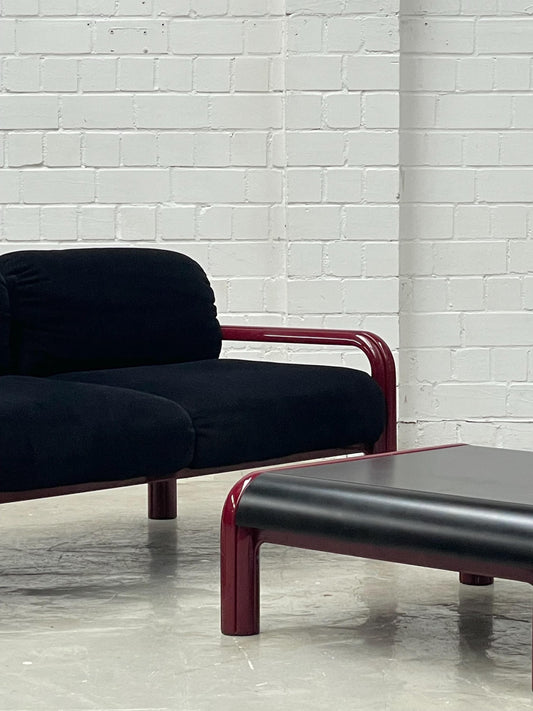
Vintage "Orsay" Sofa by Gae Aulenti for Knoll International with coffee table
Vendor:Knoll InternationalRegular price 3.200,00 €Regular priceUnit price per -
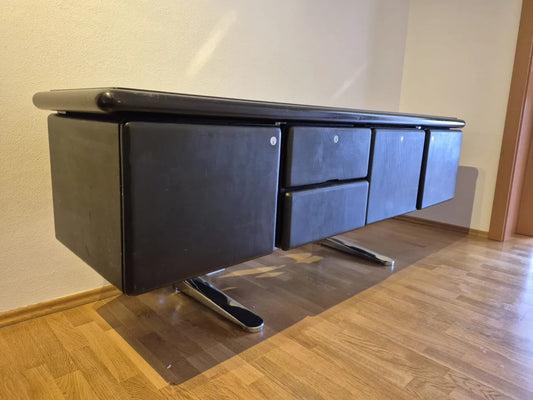
Vintage Sideboard by Warren Platner for Knoll International
Vendor:Knoll InternationalRegular price 5.500,00 €Regular priceUnit price per -
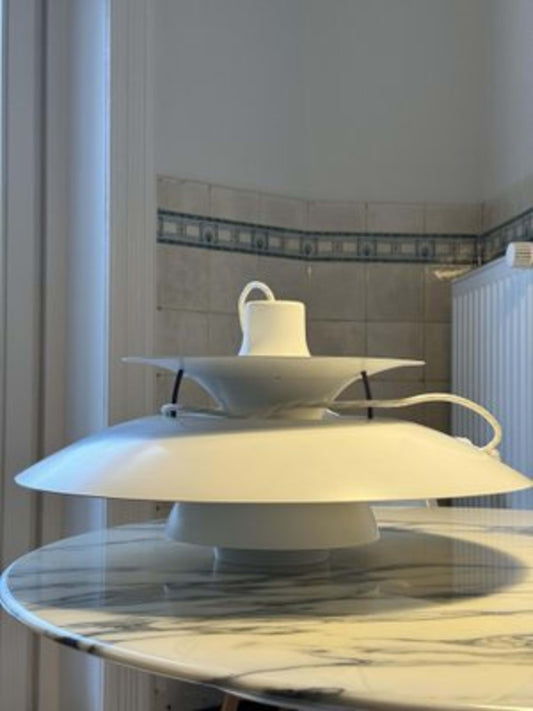
Vintage PH5 Pendant Light by Poul Henningsen for Louis Poulsen White
Vendor:Louis PoulsenRegular price 660,00 €Regular priceUnit price per -
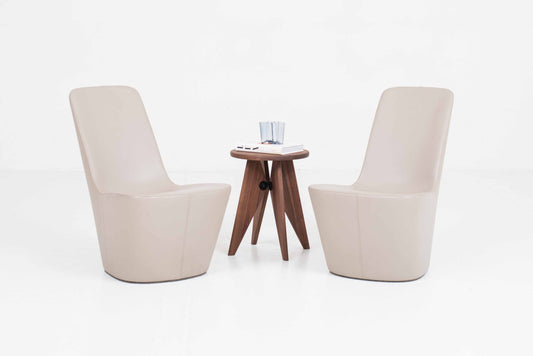
Monopod armchair by Jasper Morrison for Vitra in light grey leather
Vendor:VitraRegular price 1.190,00 €Regular priceUnit price per0,00 €Sale price 1.190,00 € -
USM Haller shelf anthracite RAL 7016
Vendor:USM HallerRegular price 1.599,00 €Regular priceUnit price per0,00 €Sale price 1.599,00 € -
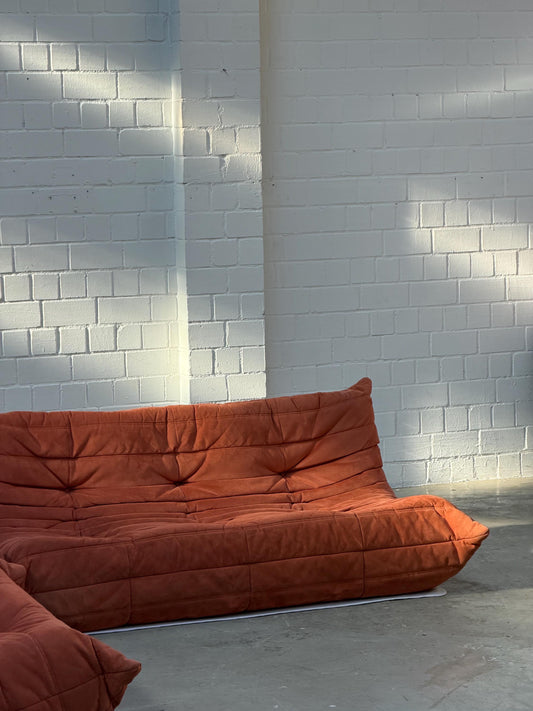
Vintage Sofa Set Togo by Michel Ducaroy for Ligne Roset
Vendor:Ligne RosetRegular price 7.500,00 €Regular priceUnit price per -
Oxford Office Chair 3291T by Arne Jacobsen for Fritz Hansen, Off White Leather, Limited Edition
Vendor:Fritz HansenRegular price 1.250,00 €Regular priceUnit price per -
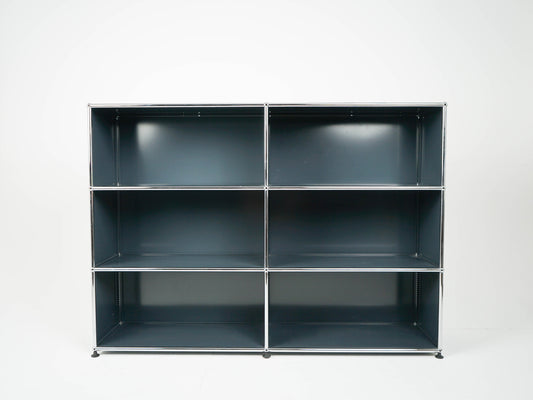
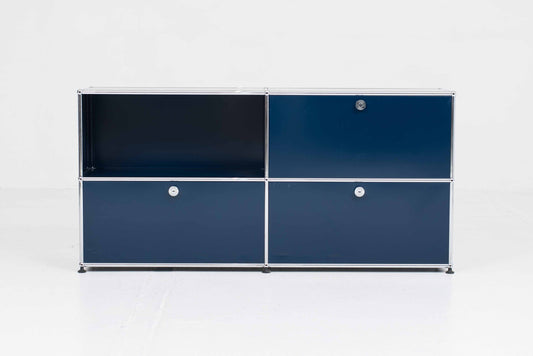
Vintage USM Haller Sideboard by Fritz Haller and Paul Schärer in Steel Blue
Vendor:USM HallerRegular price 1.490,00 €Regular priceUnit price per -
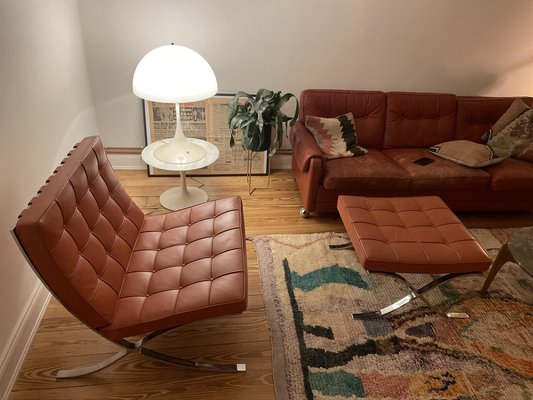
Set of 2 Barcelona Lounge Chairs with Ottoman by Ludwig Mies van der Rohe for Knoll International
Vendor:Knoll InternationalRegular price 7.840,00 €Regular priceUnit price per -
Secretary desk by USM Haller
Vendor:USM HallerRegular price 600,00 €Regular priceUnit price per -
Vintage Flex armchair by Gerd Lange for Thonet
Vendor:ThonetRegular price 350,00 €Regular priceUnit price per0,00 €Sale price 350,00 € -
LC2 Sofa by Le Corbusier and Pierre Jeanneret for Cassina Black Leather
Vendor:CassinaRegular price 5.500,00 €Regular priceUnit price per -
Vintage floor lamp 600 by Baltensweiler
Vendor:BaltensweilerRegular price 1.200,00 €Regular priceUnit price per3.800,00 €Sale price 1.200,00 €Sale -
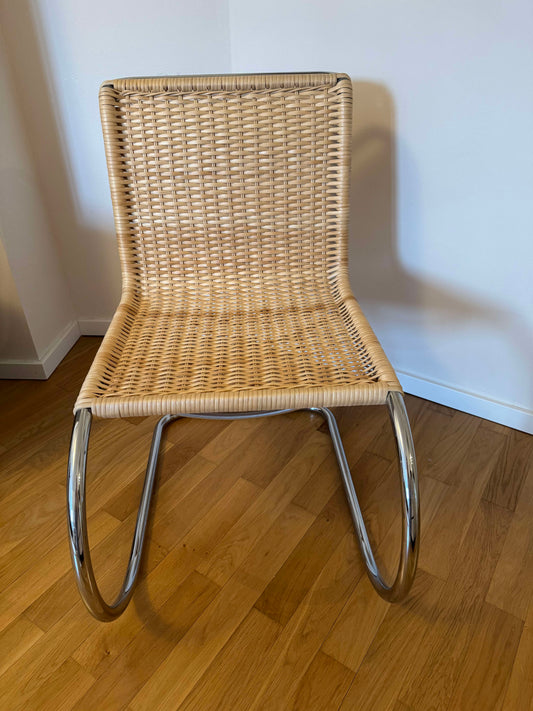
Cantilever chair S 533 R by Mies van der Rohe for Thonet with wickerwork
Vendor:ThonetRegular price 1.000,00 €Regular priceUnit price per -
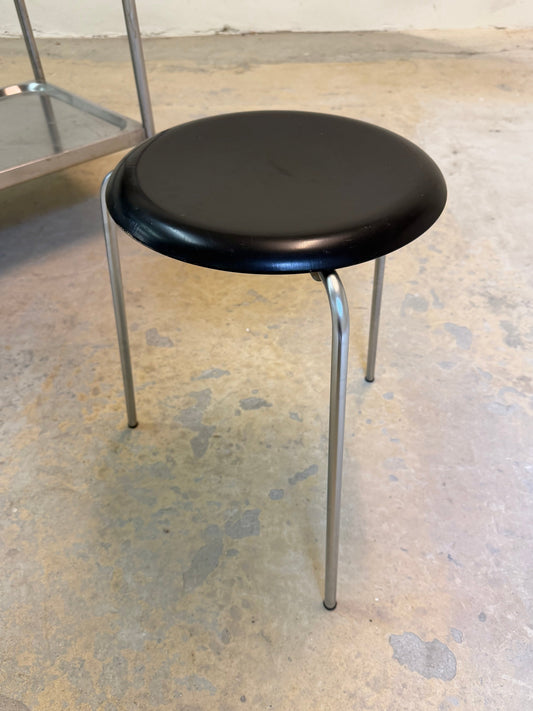
Stool "Dot" Black Chrome by Arne Jacobsen for Fritz Hansen
Vendor:Fritz HansenRegular price 230,00 €Regular priceUnit price per -
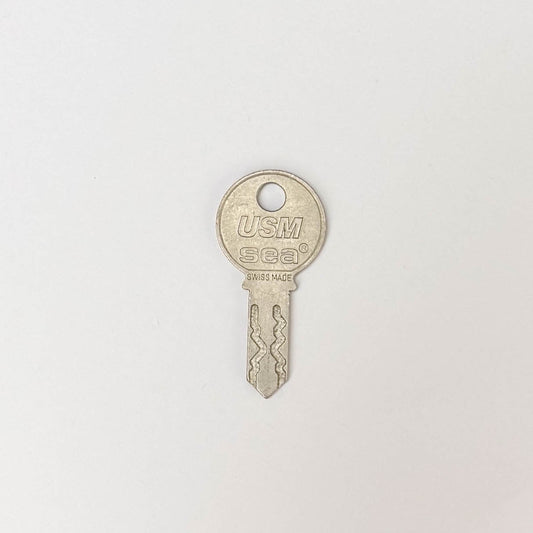
Vintage Replacement Key USM Haller (1313)
Vendor:USM HallerRegular price 9,99 €Regular priceUnit price per0,00 €Sale price 9,99 € -
Vintage Wassily armchair by Marcel Breuer for Knoll International
Vendor:Knoll InternationalRegular price 1.500,00 €Regular priceUnit price per -
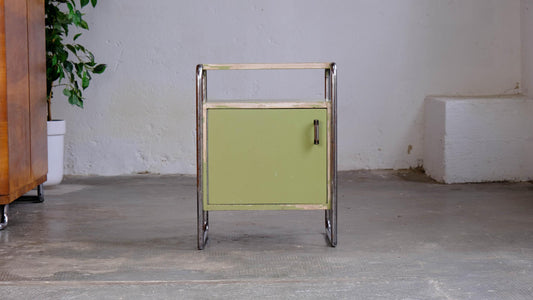
Vintage bedside table B 107 for Thonet lime green
Vendor:ThonetRegular price 780,00 €Regular priceUnit price per -
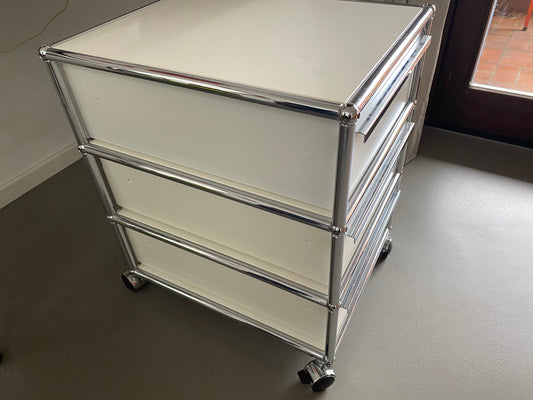
USM Haller rolling container, pure white
Vendor:USM HallerRegular price 800,00 €Regular priceUnit price per
















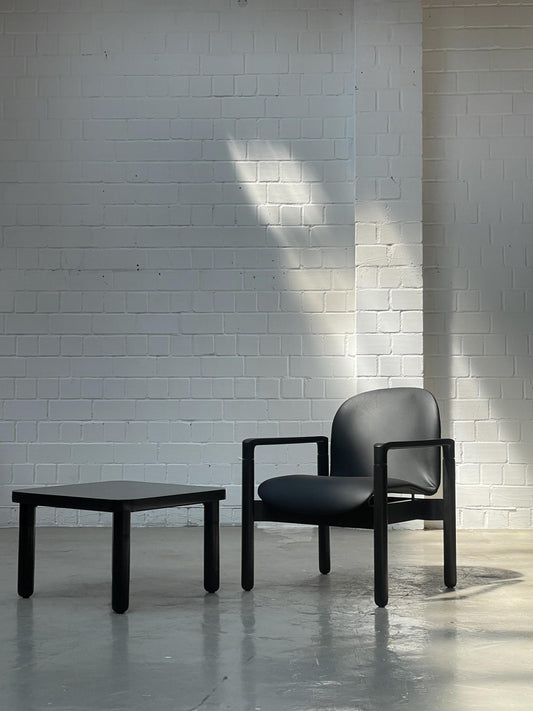







Some furniture outlives every fashion: design classics are the pieces that have been built, copied and collected for decades, and here you find them second-hand.
This collection gathers the classics from our entire range: seating by Vitra, Herman Miller and Fritz Hansen, modular systems by USM Haller, lighting by Artemide and Flos, glass art from Murano and sofas by Cassina and De Sede. Every piece is used or vintage, individually checked and described with photos of its true condition. The mid-century icons and the Bauhaus classics make a good starting point.
What makes a piece a design classic?
Time. A classic solves a problem so well or so beautifully that it stays in production for decades: the Eames side chair, the USM Haller sideboard, Artemide's Tizio. Buying a classic second-hand gets you proven design instead of short-lived trends.
Is buying used classics worth it?
Usually twice over: you pay far less than list price, and good pieces hold their value or gain. You recognise originals by maker labels and embossings; what we know about provenance and year is stated on every product.
How do you start a collection?
With a piece you use daily: a chair, a lamp, a side table. A single classic changes a room more than five new pieces of furniture, and from there the collection grows by itself. Use the filters above the grid for price, colour and availability, or browse the era and maker pages linked further down to explore exactly the part of modernism that suits you.


